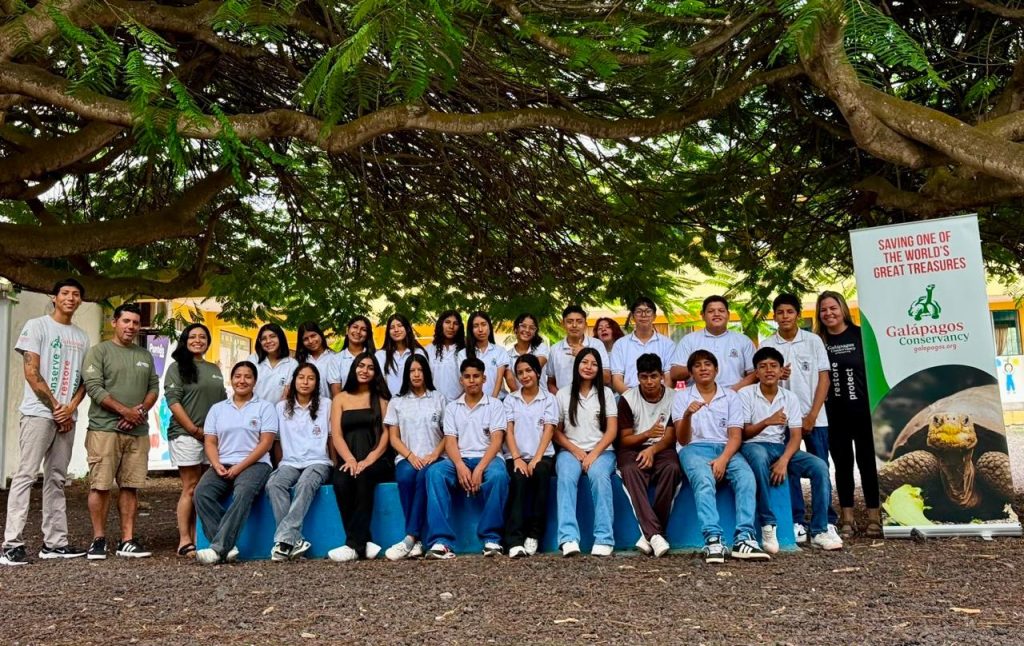
A group of 22 Galápoguenian students will gain hands-on conservation experience this summer as part of a new initiative designed to connect high schoolers directly to the conservation needs of their communities.
Together with the Stella Maris Educational Unit on Isabela Island, Galápagos Conservancy coordinated the implementation of the “Participatory Conservation of Galápagos Terrestrial Biodiversity” program. The initiative is part of the Student Participation Program, administered by the Ministry of Education of Ecuador, through valuable field experiences that strengthen students’ knowledge and commitment to the conservation of Galapagos biodiversity.
The initiative helps bridge an important gap between tourists’ access to Galápagos, and locals’ experience with the unique ecosystems they live in.
“People travel thousands of miles to experience the unforgettable wildlife in Galapagos,” said Hugo Mogollón, chief executive officer of Galápagos Conservancy. “And yet despite their proximity, local children and youth don’t have the same access and education as tourists to the beautiful things in their own backyards.”
Over the coming months, the cohort will gain firsthand conservation experience by working with experts on projects being undertaken at Galápagos Conservancy’s private reserve on Cerro Grande. In addition to learning field techniques, students will achieve a deeper understanding of the challenges facing the islands’ ecosystems and the science that informs conservation decisions.
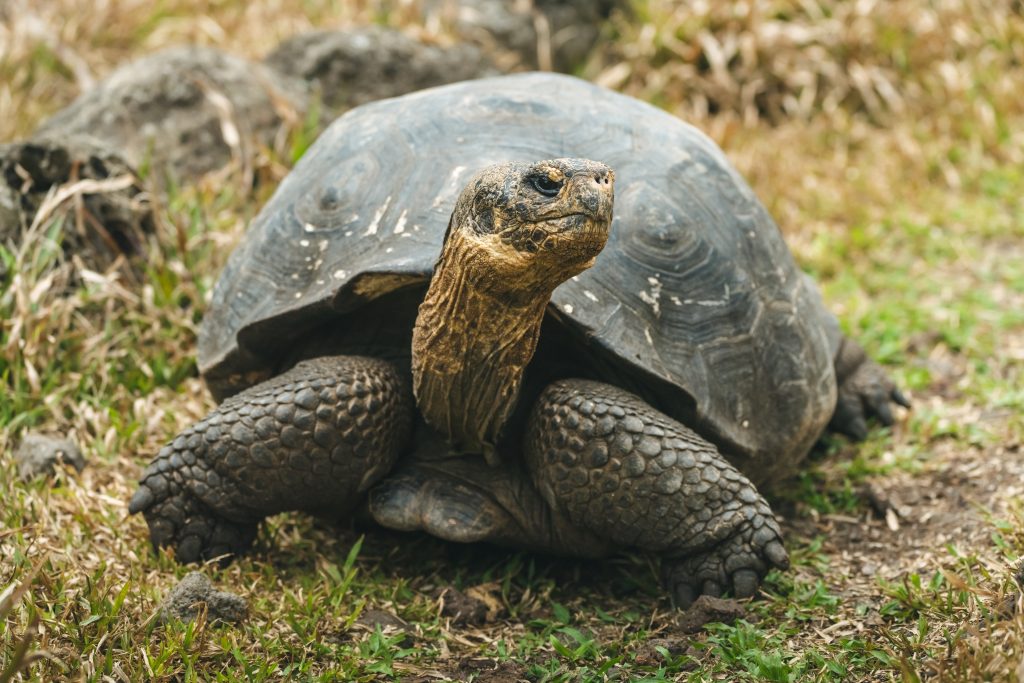
The youth will work alongside scientists on ecological restoration through the removal of invasive plants that threaten endemic species and will assist with monitoring efforts for Galápagos petrel and giant tortoise populations. By participating in these ongoing projects, students will contribute valuable data while seeing firsthand how long-term conservation depends on careful monitoring, collaboration, and persistence.
“Our approach is based on the idea that conservation is best learned by experiencing it,” said Jenny Macias, education for sustainability coordinator at Galápagos Conservancy.
“Through direct observation, research, and shared reflection, students can strengthen their connection with nature and discover the complex web of ecological relationships that sustains life in Galápagos.”
Onboarding for the student cohort kicked off on July 2, and field work will begin on July 25.
By giving young island residents hands-on experience with real conservation projects, the initiative hopes to foster a lasting sense of stewardship — ensuring that the future of the Galápagos is shaped not only by scientists and conservationists, but by the communities that call the archipelago home.